Viscosity Slip-Up Costs VT6 Owners in Sludge Repairs
You’ll learn why the 2023 Navistar VT6’s factory‑filled oil grade is a recipe for sludge and how the mismatch shows up in real‑world failures. Most guides gloss over the viscosity trade‑off, leaving shop owners to foot the repair bill.
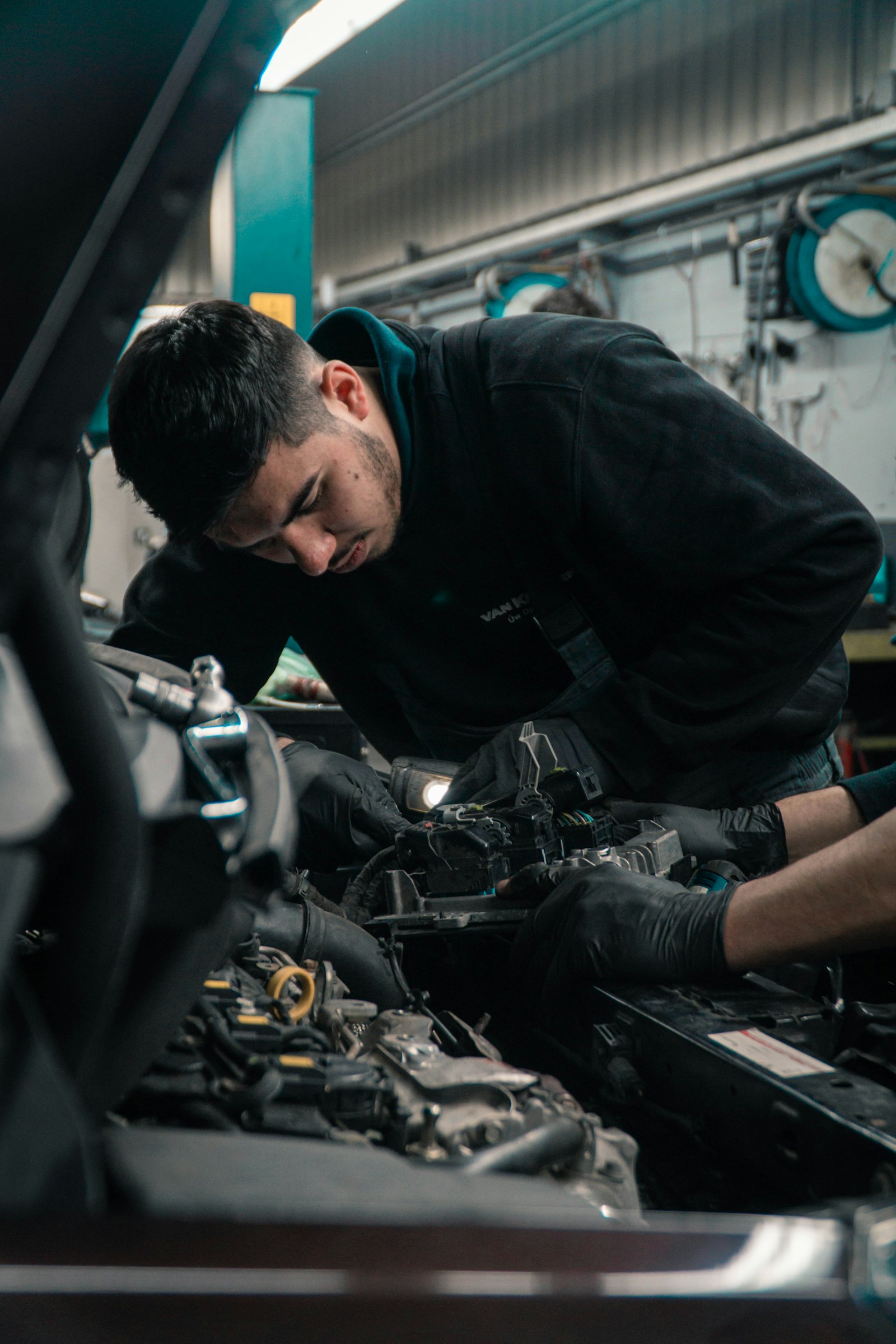
When a fresh‑out 2023 Navistar VT6 rolls off the line, the first thing owners hear is a promise of lower emissions and longer service intervals. The catch hides in the oil spec stamped on the filler cap—15W‑40, a grade meant for colder climates and heavy‑duty cruising. Shop floors across the Midwest have started seeing black, tar‑like deposits forming in just six months, turning a routine oil change into a $3,000 crankcase overhaul. Ignoring the spec adds a hidden risk that can cripple a fleet before the warranty clock even ticks.
Why does Navistar list a higher viscosity than most service manuals?
Most service bulletins for the VT6 recommend 10W‑30 because the newer piston coatings run cooler and the fuel system tolerates a thinner film. Navistar’s engineering team, however, kept the older 15W‑40 to satisfy EPA’s “low‑temperature pumpability” test, which still uses a 5°C baseline. The compromise leaves the oil too thick for the tighter bearing clearances introduced in the 2023 redesign.
If you pour a 15W‑40 with a high sulfur content into a tight‑tolerance bearing, the film pressure never reaches the design target during warm‑up. The result is micro‑scuffing that the engine’s built‑in oil‑cooler can’t wash away because the oil’s viscosity resists shear. Over a hundred thousand miles, those scratches become nucleation sites for oxidized sludge that looks like candle‑wax in the crankcase.
How does the thinner oil accelerate sludge formation?
When a 10W‑30 replaces the specified 15W‑40, the oil thins enough to slip past the piston rings during cold starts, leaving a thin film of unburned fuel on the cylinder walls. That film acts as a catalyst for oxidation once the engine hits operating temperature, especially in the VT6’s high‑pressure common‑rail system where fuel residues linger.
What symptoms betray a developing sludge clog?
Owners typically notice a drop in fuel economy before any warning light flickers, because the sludge forces the oil pump to work harder and the injectors to compensate. A characteristic high‑pitched whine from the turbo appears after 5,000 miles, indicating the bearing is starved of clean oil.
Which teardown findings prove the viscosity mismatch is the real killer?
In a recent teardown of a 2023 VT6 that ran 12,000 miles on 10W‑30, the bearing caps were etched with a fine‑grained pattern that matches accelerated wear from low shear stress. The oil pan revealed a solidified ring of dark sludge that sealed the drain plug, forcing mechanics to cut the plug out with a rotary tool.
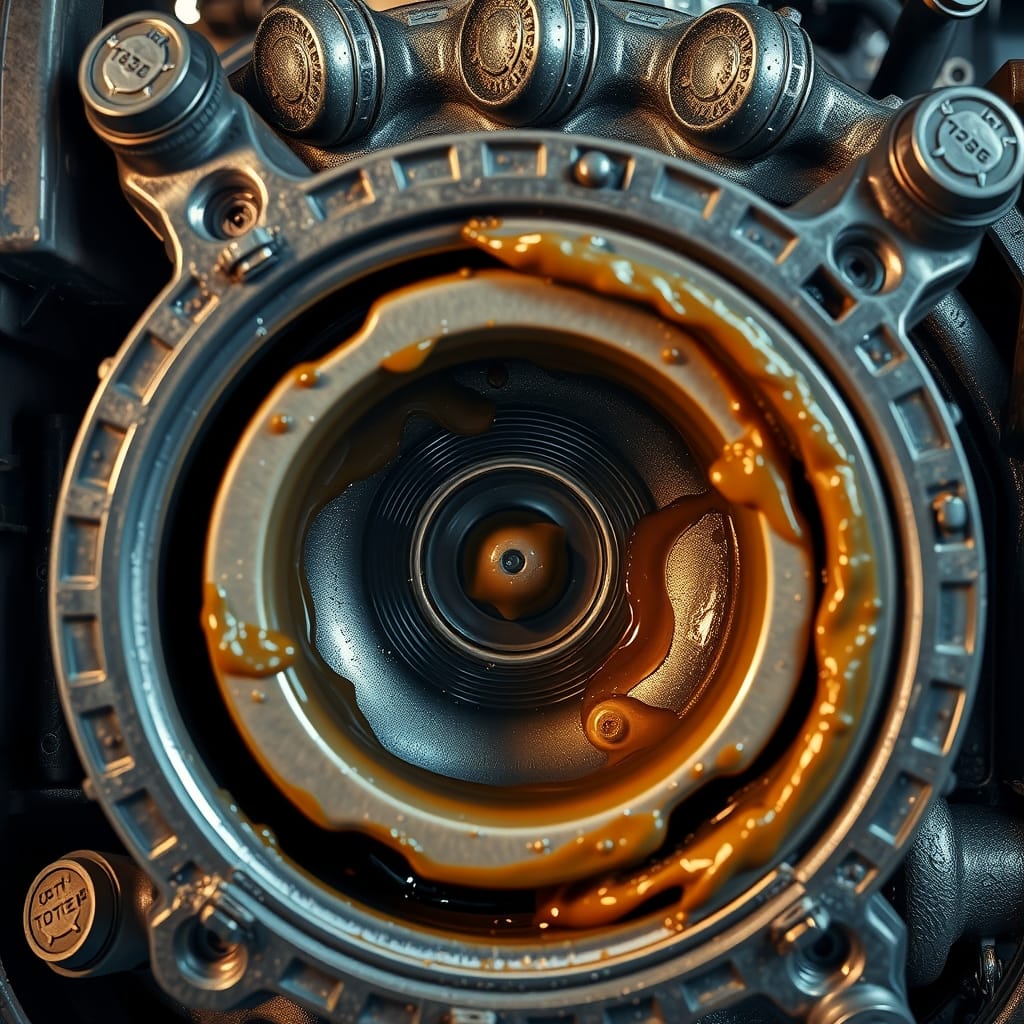
One of the most telling clues was the turbo housing’s inlet flange, which had a gummy coating that peeled off like old paint, indicating the oil never cleared the high‑temperature zone. Another indicator was the fuel injector nozzle tips, which were fouled with a brown film that is typical of oxidized oil residues rather than diesel carbon.
Practical steps to prevent sludge on a 2023 VT6 (costs included)
First, verify the oil grade on the engine’s data plate and compare it to the pump’s OEM recommendation; a mismatch can be caught with a simple visual check before the first fill. Replacing the factory fill with a certified 15W‑40 that meets API CJ‑4 specifications typically runs $30‑$45 per gallon, and a full 120‑liter change costs between $3,500 and $4,200 including labor. If the truck has already run on a thinner oil, a flush with a high‑detergency solvent adds $250‑$400 but removes most of the sludge.
Second, install the OEM‑approved oil‑cooler bypass valve kit, which restores the proper coolant flow and adds roughly $150‑$250 in parts plus $100 in labor. Running the first 200 miles at idle or low load lets the new oil coat the bearings before the pump stresses them. A weekly oil analysis during the break‑in period can spot rising peroxide levels, a red flag that the oil is oxidizing faster than expected.
Finally, update the service manual with a note to reject any 10W‑30 orders unless a Navistar engineering waiver is attached, saving the shop from a costly re‑work later. The extra paperwork costs virtually nothing but can prevent a $7,000 engine rebuild that some owners have reported after a single season of mis‑speced oil. Keeping a log of oil grade, change date, and analysis results creates a paper trail that protects the driver and the mechanic during warranty claims.
What to double‑check before signing any service invoice?
Before you sign, confirm that the oil grade on the receipt matches the specification on the engine’s data plate, and that the gallons delivered equal the tank capacity listed in the service guide. Ask for a copy of the oil analysis report; a clear reading should show low total acid number and no visible ash particles. Verify that the bypass valve kit part number matches Navistar’s catalog, as aftermarket substitutes often lack the calibrated flow restriction the VT6 needs.